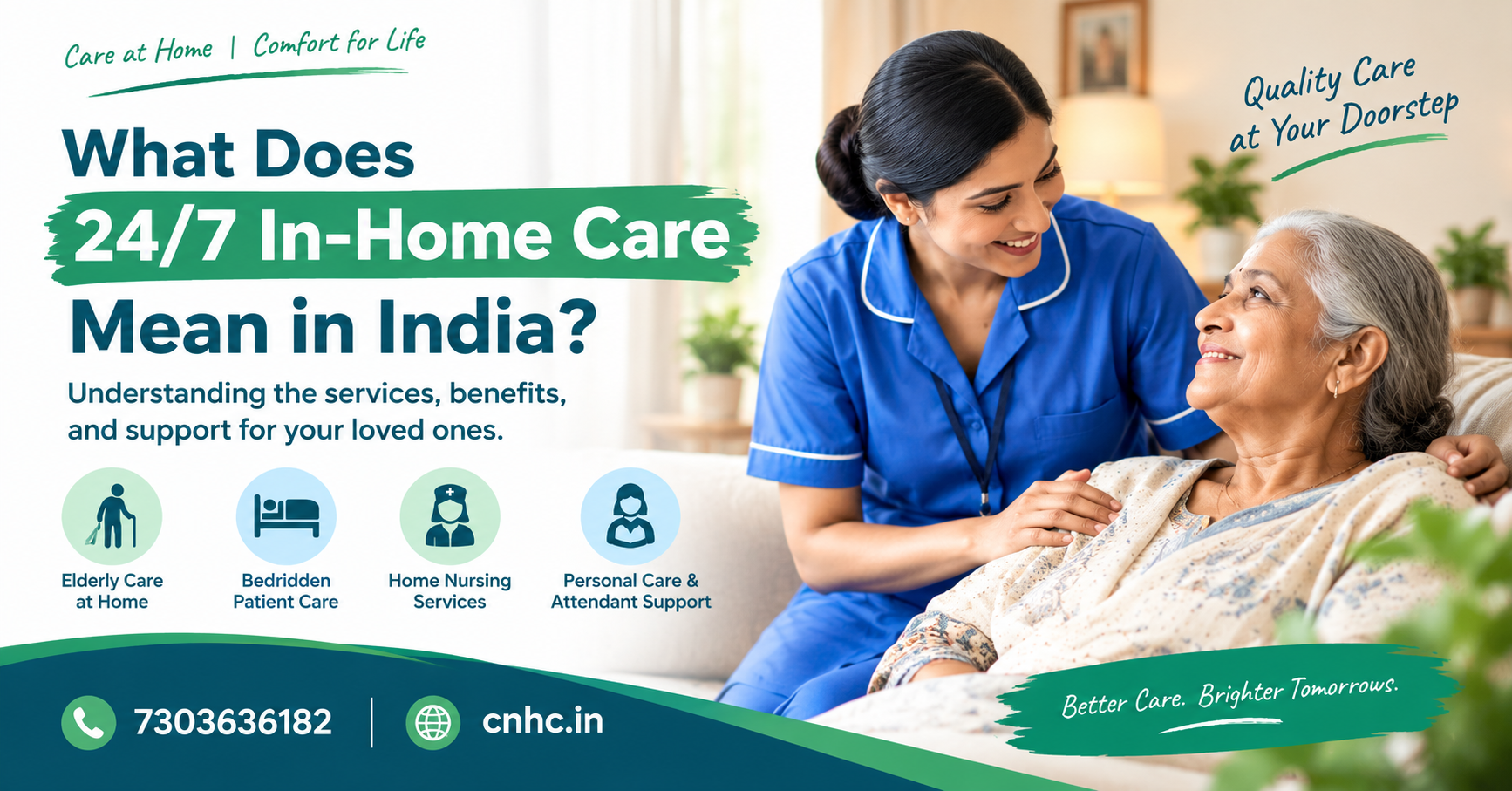
Coming home after a hospital stay is a big relief for both the patient and the family. However, the period right after discharge is one of the most critical phases of recovery. Many patients look stable at the time of leaving the hospital, but their body is still weak. Without proper care at home, there is a real risk of complications, delayed healing, or even readmission to the hospital.
In this complete guide, we will explain why home care after hospitalization is so important, what kind of support patients usually need, how families can manage the recovery phase, and when it becomes necessary to take professional help from a nursing agency.
Why Post-Hospitalization Care is So Important
Hospital treatment focuses mainly on controlling the main medical problem — whether it is surgery, infection, heart issues, stroke, or any other condition. Once the patient is discharged, the responsibility of recovery shifts to the home environment. At this stage, the body is still healing and needs continuous support.
Some common reasons why post-hospitalization care matters:
- The immune system is still weak
- There may be surgical wounds that need proper dressing
- Medicines have to be given on time and in correct doses
- The patient may have limited mobility
- Risk of infection is higher
- Elderly patients recover more slowly
- Family members may not know how to handle medical needs
Studies and hospital data show that a large number of readmissions happen within the first 30 days after discharge, mostly because of inadequate care at home.
Who Needs Home Care After Hospitalization?
Not every patient needs full-time professional care, but many do. Home care support is especially helpful in the following cases:
- Elderly patients (above 60–65 years)
- Patients who have undergone major surgery (orthopedic, cardiac, abdominal, neurological)
- Stroke or paralysis patients
- Patients discharged with catheters, Ryle’s tube, colostomy, or drains
- People with multiple chronic conditions (diabetes + BP + heart issues)
- Patients who are still very weak and unable to perform daily activities
- Those who live alone or whose family members are working
What Does Proper Home Care After Hospitalization Include?
Good post-hospitalization care is not just about giving medicines. It is a combination of medical, physical, and personal support.
1. Medication Management
Patients are usually discharged with a long list of medicines. Missing doses or taking them at the wrong time can slow down recovery or cause side effects. A caregiver ensures that medicines, injections, and supplements are given exactly as prescribed.
2. Wound and Dressing Care
Surgical wounds need regular cleaning and dressing to prevent infection. Improper wound care is one of the most common reasons for complications after surgery.
3. Monitoring of Vitals
Regular checking of blood pressure, blood sugar, pulse, temperature, and oxygen level helps in early detection of any problem. Sudden changes can be reported to the doctor immediately.
4. Mobility and Fall Prevention
After hospitalization, many patients feel dizzy or weak. Helping them walk, sit, and move safely reduces the risk of falls, which can be dangerous for elderly people.
5. Personal Hygiene and Comfort
Bathing, oral care, toileting, diaper changing, and skin care are essential. Maintaining hygiene also helps prevent infections and bedsores, especially in patients who spend most of their time in bed.
6. Nutrition and Hydration Support
A recovering body needs proper nutrition. Some patients have poor appetite or difficulty swallowing. A caregiver can help with feeding and ensure the patient is drinking enough fluids.
7. Emotional Support
Recovery is not only physical. Many patients feel anxious, low, or frustrated after coming home. Having someone around who talks to them and keeps them comfortable makes a big difference.
Common Challenges Families Face After Hospital Discharge
Even when family members are caring and willing, they often face practical difficulties:
- Lack of medical knowledge
- Fear of handling wounds, tubes, or injections
- Difficulty in balancing work and caregiving
- Physical exhaustion from 24-hour care
- Stress and emotional burnout
- Uncertainty about what is normal and what is a warning sign
These challenges are very common, and there is no shame in taking professional help.
Warning Signs That Need Immediate Medical Attention
While caring for a patient at home, families should stay alert for these danger signs:
- High fever that does not come down
- Increasing pain, redness, or discharge from the wound
- Difficulty in breathing
- Sudden confusion or extreme drowsiness
- Chest pain or irregular heartbeat
- Inability to pass urine or stool
- Persistent vomiting
- Sudden weakness on one side of the body
If any of these appear, contact the doctor or go to the hospital without delay.
How Long Does Post-Hospitalization Care Last?
The duration depends on the patient’s condition:
- Minor procedures: a few days to 1–2 weeks
- Major surgery: 2–6 weeks or more
- Stroke or neurological conditions: several weeks to months
- Elderly patients with multiple issues: longer-term support may be needed
The care plan should be flexible and adjusted according to the patient’s progress.
Benefits of Hiring a Professional Nursing Agency
When the care needs are medical or when family members cannot stay full-time, hiring a trained nurse or attendant from a reliable nursing agency offers several advantages:
- Trained and experienced staff
- Background-verified caregivers
- Proper handling of medical tasks
- Regular updates to the family
- Reduced risk of complications
- Peace of mind for working family members
- Flexible 12-hour or 24-hour options
Professional care helps the patient recover in a familiar and comfortable environment while reducing the burden on the family.
How CNHC Supports Post-Hospitalization Care
At CNHC (Chanderwati Nursing Home Care), we specialize in providing trained nurses and attendants for home care after hospitalization across Delhi, Noida, Gurgaon, and Faridabad.
Our caregivers assist with:
- Medication and injection administration
- Wound dressing and catheter care
- Vitals monitoring
- Personal hygiene and mobility support
- Feeding and daily comfort care
We understand that every patient’s needs are different. That is why we create care plans based on the discharge summary and the family’s requirements.
Final Thoughts
Hospital treatment is only half the journey. The real recovery often happens at home. With the right care, patients heal faster, feel more comfortable, and avoid unnecessary complications.
Families should not feel that they have to manage everything alone. Taking timely professional support is a sign of responsibility, not weakness.
If your loved one has recently been discharged from the hospital and needs reliable care at home in Delhi NCR, CNHC is ready to help.