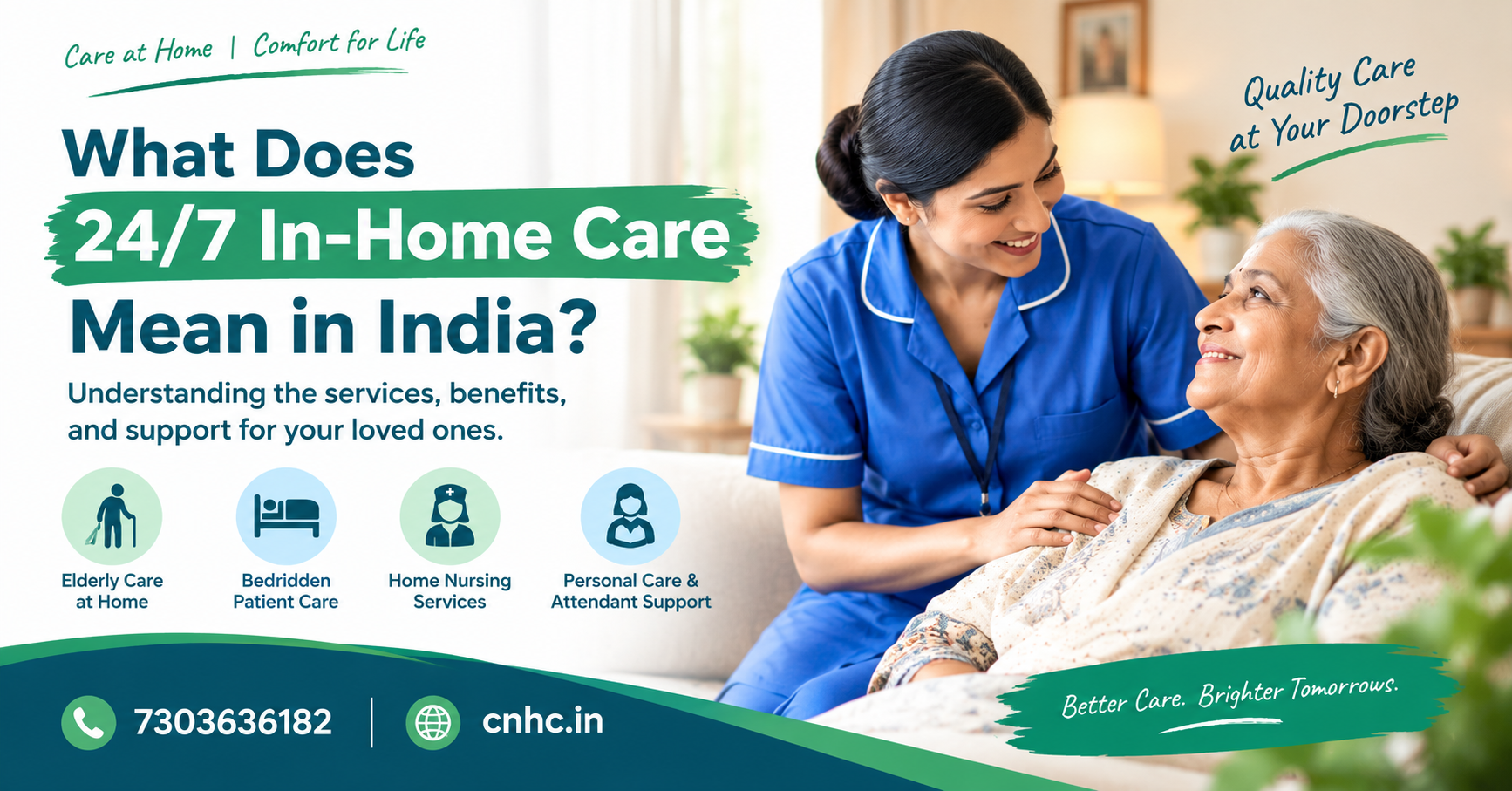
There comes a quiet moment in many families when the house starts to feel different.
The footsteps that once moved quickly from room to room now take longer. The voice that used to call out instructions from the kitchen becomes softer. Medicines appear on the dining table. A walking stick leans against the wall. And somewhere between these small changes, adult children begin carrying a new kind of weight — the quiet fear of not doing enough.
This is usually when the question arrives:
Should we look for professional help at home?
Home nursing is not just a service. For many families, it becomes a bridge — between independence and safety, between love and practicality, between wanting to do everything yourself and accepting that you don’t have to.
The Comfort of Familiar Walls
Hospitals save lives, but they are rarely gentle places to grow old. The bright lights, the constant noise, the smell of disinfectant, the shared rooms — all of it can leave an elderly person feeling small and displaced.
Home is different.
At home, the bed is their own. The pillow smells familiar. The window shows the same tree they’ve watched for years. The tea is made the way they like it. These small things matter more than we realise when the body becomes fragile.
Home nursing allows seniors to receive medical attention without leaving the place that holds their memories. A trained nurse or caregiver comes into this private world and becomes part of the rhythm of the house — quietly, respectfully, without taking over.
What Home Nursing Actually Looks Like
It is not one single thing. It changes according to need.
For some families, it means a nurse visiting twice a day to give injections, check blood pressure, and make sure medicines are taken on time. For others, it means someone present through the night so the family can finally sleep without one ear open. In many homes, it becomes daily support with bathing, walking, eating, and the small dignities that become difficult with age.
The best home nursing doesn’t feel clinical. It feels human. The nurse learns how your mother likes her water slightly warm. She notices when your father’s mood dips in the evening. She knows which chair is easiest for him to get up from. Over time, she stops being “the nurse” and becomes someone the house trusts.
When Families Usually Reach Out
Most people wait longer than they should.
They wait until a fall happens. Until the hospital discharge leaves everyone exhausted. Until the working daughter starts missing important meetings because someone has to be home. Until the son living in another city starts feeling guilty with every phone call.
Home nursing is often most helpful in these moments:
- After surgery or a serious illness, when recovery needs careful watching
- When chronic conditions like diabetes, heart issues, or Parkinson’s need regular attention
- When memory begins to slip and safety becomes a concern
- When simple tasks like bathing or changing clothes start feeling like battles
- When family caregivers are burning out but don’t want to admit it
Asking for help is not giving up. It is choosing a wiser way to care.
The Invisible Work of Caregiving
Those who have never looked after an ageing parent often underestimate how heavy it is.
It is not just the physical work — lifting, cleaning, reminding, monitoring. It is the emotional work. The constant low-level worry. The guilt when you feel irritated. The sadness of watching someone you love become dependent. The loneliness of carrying it mostly alone.
Professional home nursing does not remove the love. It protects it. When a trained person handles the medical and physical parts, family members can return to being sons and daughters again. Conversations become lighter. Visits feel less like duty and more like connection.
Choosing the Right Support
Not every agency is the same. Some send people who are rushed and detached. Others understand that they are entering someone’s private world.
A good home nursing service begins with listening. They assess not just the medical condition, but the personality of the senior, the family dynamics, and the layout of the house. They match the caregiver carefully. They stay in touch. They adjust when needs change.
If you are looking for this kind of thoughtful support, one place worth exploring is CNHC Home Care. You can visit their website at https://cnhc.in to understand how they approach elderly care with both professionalism and humanity.
Making the Transition Gentle
The first few days of home nursing can feel awkward for everyone. The senior may feel their independence is being taken away. The family may feel they are being watched. The caregiver is still learning the house.
Patience helps.
Introduce the nurse slowly. Let your parent be part of the conversation. Keep familiar routines. Give it time. Most families find that within a week or two, the presence that once felt intrusive begins to feel reassuring.
A Different Kind of Strength
There is a quiet strength in accepting help.
It takes courage to admit that love alone is not always enough — that skill, training, and rest matter too. Home nursing allows families to protect both the senior’s dignity and their own well-being.
Ageing does not have to mean isolation or institutional living. With the right support, the later years can still hold comfort, familiar faces, and the simple pleasure of being at home.
If your family is standing at this crossroads, know that you are not alone. Many have walked this path before you. And with careful choices, home can remain the safest and kindest place for the people you love most.
To learn more about professional home nursing options designed for senior citizens, you can visit https://cnhc.in.
Sometimes the most loving thing we can do is make sure the people who once took care of us are now carefully taken care of — in the place they still call home.